Introduction
In a period where healthcare is progressing at warp speed, understanding the nuances of ventilation training has actually become vital for specialists in the area. Unlocking the Tricks of NDIS Ventilation Training: Key Takeaways for Success acts as a detailed guide to grasping this important element of individual treatment. With the National Handicap Insurance Policy Plan (NDIS) focusing on boosting support for individuals with complicated demands, specialized training like ventilation programs is progressively crucial.
From basic ventilator training courses to innovative respiratory tract management strategies, this short article will certainly look into every element of NDIS ventilation training, outfitting you with the understanding and skills needed to excel in your practice. The adhering to areas will certainly explore key subjects associated with ventilation training, consisting of numerous programs readily available, functional applications, and expert suggestions for success.
What is NDIS Air flow Training?
Understanding the Basics
NDIS ventilation training is made to outfit doctor with the skills and knowledge essential to take care of patients who call for ventilatory assistance. This consists of individuals with breathing failure or those that require assistance due to conditions such as neurological problems or muscle dystrophy.
Importance of Air flow Training
Why is ventilation training so crucial? For starters, inappropriate administration can result in severe issues. By going through appropriate ventilator training, nurses and healthcare specialists can make sure effective airway administration and boost individual outcomes.
Basic Ventilator Program: An Overview
What You Will certainly Learn
The basic ventilator course supplies foundational understanding regarding different types of ventilators, their setups, and how they work. Participants will discover:
- Basic concepts of mechanical ventilation Types of ventilators made use of in clinical settings Initial configuration procedures for numerous modes of ventilation
Course Format
Typically, Browse this site these courses combine academic understanding with hands-on practice. Expect a mix of talks, demonstrations, and simulations that imitate real-life scenarios.
Ventilation Training Training courses: A Comprehensive Guide
Types naturally Available
There are a number of kinds of ventilation training courses customized to satisfy different levels of proficiency:
Introductory Courses: Perfect for beginners. Intermediate Courses: Targeted toward those with some experience. Advanced Courses: Made for experienced specialists seeking to deepen their understanding.Choosing the Right Course
When choosing a course, consider your present skill level and your details objectives in client treatment. Are you looking to handle complicated instances or just obtain accustomed to basic concepts?
Ventilator Training for Registered nurses: Vital Skills
Key Takeaways for Nurses
Nurses play a critical function in handling patients on ventilatory assistance. Below's what they have to focus on:
- Understanding ventilator settings Monitoring person responses Performing regular checks on tools functionality
Practical Applications
Effective nursing requires not just academic understanding yet additionally practical skills in real-life circumstances-- managing emergencies or troubleshooting tools failings are critical components.
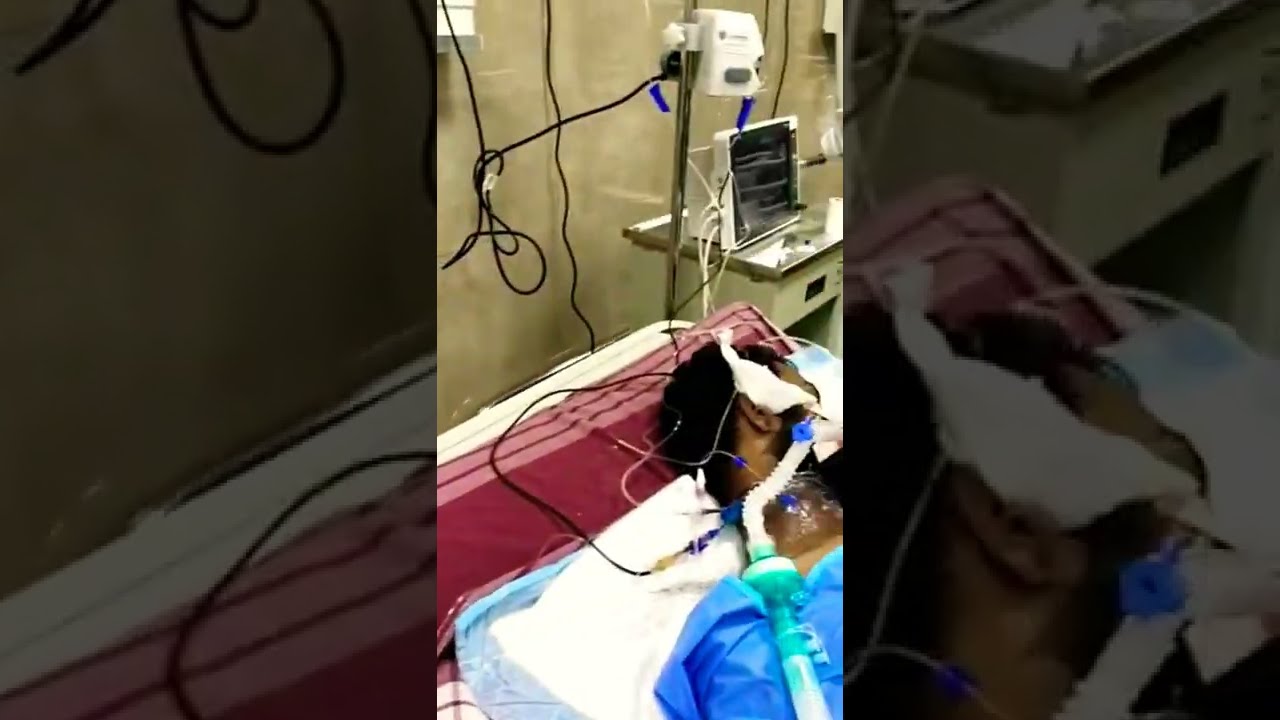
Tracheostomy and Ventilator Training
Understanding Tracheostomy Care
When individuals call for long-lasting ventilatory assistance, tracheostomy becomes an alternative. This area looks into:
- Indications for tracheostomy Care methods post-surgery Integration with ventilation techniques
Specialized Skills Required
Training programs frequently give customized components on exactly how to take care of individuals post-tracheostomy effectively together with their ventilator needs.
Airway Management and Ventilation Techniques
Importance of Respiratory tract Management
Proper airway management can be life-saving. Secret elements include:
- Recognizing indications of respiratory tract obstruction Implementing treatments swiftly Using complements effectively
Ventilation Techniques
Explore different strategies utilized during air passage monitoring:
Positive Stress Ventilation Non-invasive ventilation Bag-mask air flowEach strategy ndis ventilation training course has its very own indicators and contraindications that practitioners need to comprehend thoroughly.
NDIS Air flow Training course Educational program Breakdown
Detailed Educational program Overview
An organized curriculum is critical for effective understanding. Normal parts include:
Theory Sessions- Lectures covering makeup, physiology, and pathophysiology related to respiration.
- Hands-on experiment simulators and genuine equipment.
- Knowledge checks via quizzes and scenario-based evaluations.
Unlocking the Keys of NDIS Ventilation Training: Secret Benefits
Why Pick NDIS-Specific Training?
Training under NDIS standards ensures that healthcare providers are well-appointed to offer people with disabilities successfully. Benefits include:
- Enhanced understanding of complex customer needs Improved communication amongst multidisciplinary teams Better source allotment based upon person requirements
Long-term Influence on Patient Care
By investing time in specialized training, specialists contribute considerably to improved medical care results over time.
Challenges Encountered Throughout Ventilation Training
Common Hurdles Come across by Trainees
While taking part in these courses can be enriching, they aren't without difficulties:
Complexity of Material- Advanced clinical terms may be daunting.
- Working very closely with critically unwell clients can take a psychological toll.
- Balancing job obligations while attending courses can be difficult.
Strategies to Conquer Challenges
Develop strategies such as developing study groups or utilizing online sources that enable adaptable learning opportunities.
Real-Life Applications: Instance Studies from NDIS Ventilation Training
Insights from Practitioners
This section showcases real-life case studies where NDIS-trained professionals made considerable influence on client treatment through efficient use of ventilatory support techniques.


Case Study 1: Complex Respiratory System Failure Management
Discuss just how specialized training permitted registered nurses to handle a tough instance involving intense respiratory distress disorder effectively.
Case Study 2: Successful Change from Medical Facility to Home Care
Illustrate just how thorough expertise from an NDIS ventilation program assisted in successful shifts back home for clients requiring continuous assistance via home-based mechanical ventilation systems.
Technological Developments in Ventilator Support
Innovations Transforming Client Care
The world of clinical modern technology continues advancing swiftly; right here's what's new in ventilator modern technology:
Smart Ventilators
- Innovative gadgets furnished with AI formulas improving patient monitoring.
- Remote monitoring capacities allowing off-site specialists to aid bedside staff effectively.
- Solutions making it possible for movement without sacrificing air quality or support levels.
Ventilator Pressure Assistance Explained
Understanding Pressure Assistance Modes
Ventilator pressure support is a crucial feature permitting customized help customized according to private person demands:
- How it functions structurally within a ventilator system. Indications when stress assistance need to be employed.
Benefits Over Typical Modes
Highlight benefits such as enhanced comfort degrees and decreased work-of-breathing compared to traditional oxygen therapy methods.
Frequently Asked Questions About NDIS Air Flow Training
What requirements are needed for registering in an NDIS air flow course? Many programs need individuals have fundamental nursing abilities or previous experience operating in respiratory care settings prior to enrollment.
How long does it commonly take to complete an NDIS ventilation course? The period varies based on the program; nonetheless, the majority of programs last anywhere from a couple of days approximately several weeks depending on deepness & & distribution style (online/in-person).
Will I obtain accreditation upon completion? Yes! The majority of trustworthy companies offer certifications validating efficiency after successfully ending up assessments entailed within each training course module.
Is hands-on method included in these trainings? Absolutely! Practical workshops are integral parts making sure students obtain sensible experience functioning straight under guidance making use of actual tools along with simulated circumstances designed specifically around typical clinical challenges encountered daily!
How can I discover a trusted supplier offering these trainings? Research study local universities/healthcare institutions known specializing additional education and learning programs concentrated particularly targeting specialists entailed caring impaired populaces requiring innovative modern technologies including mechanical encouraging therapies!
6. What continuous education chances exist post-completion? Constant specialist growth continues to be critical; lots of organizations give refresher courses periodically allowing participants keep abreast most recent innovations emerging field!
Conclusion
In conclusion, understanding NDIS ventilation training is not just about getting technological skills; it encompasses recognizing the ins and outs involved in providing first-class take care of at risk populations requiring customized treatment via advanced modern technology like mechanical ventilators! Each section gone over below functions as tipping rocks in the direction of attaining extensive skills within this vital area ensuring ideal end results profiting both caregivers & & clients alike! By accepting recurring education and learning possibilities while continuing to be receptive responses obtained throughout job journey will eventually generate success helping with positive modification lives others rely on us serve them best possible way!
By concentrating on reliable respiratory tract monitoring via strenuous academic pathways such as those outlined above-- expert development comes to be unavoidable opening large possibilities changing futures forever-- this truly personifies essence idea 'Opening the Keys Of Ndis Ventillation'-- a journey worth getting started upon!