Introduction
In the swiftly evolving landscape of medical care, nurses discover themselves at the forefront of person monitoring and care. One critical area that has actually gained importance in recent years is air flow management. As more clients require respiratory system assistance as a result of a range of conditions, the requirement for specialized training in this domain name comes to be progressively vital. This short article will delve into the intricate partnership between nursing and ventilation training courses, stressing why every nurse should buy these vital academic opportunities.
Why Every Nurse Ought to Invest in Ventilation Training Courses
Ventilation training programs are developed to furnish registered nurses with the knowledge and abilities required to manage people calling for respiratory support successfully. These courses encompass a wide range of topics, consisting of fundamental ventilator procedure, progressed airway monitoring, and particular techniques related to tracheostomy treatment. Recognizing just how to run and troubleshoot ventilators can significantly enhance person outcomes and reduce issues associated with mechanical ventilation.
The Expanding Value of Ventilation Skills
With a raising number of clients presenting with respiratory system deficiency or failure, the demand for skilled specialists that can give effective airway and ventilation management has actually surged. Registered nurses play an essential role in tracking individuals on ventilators, ensuring they get ideal levels of assistance customized to their private needs.
The Broadening Duty of Nurses in Ventilation Management
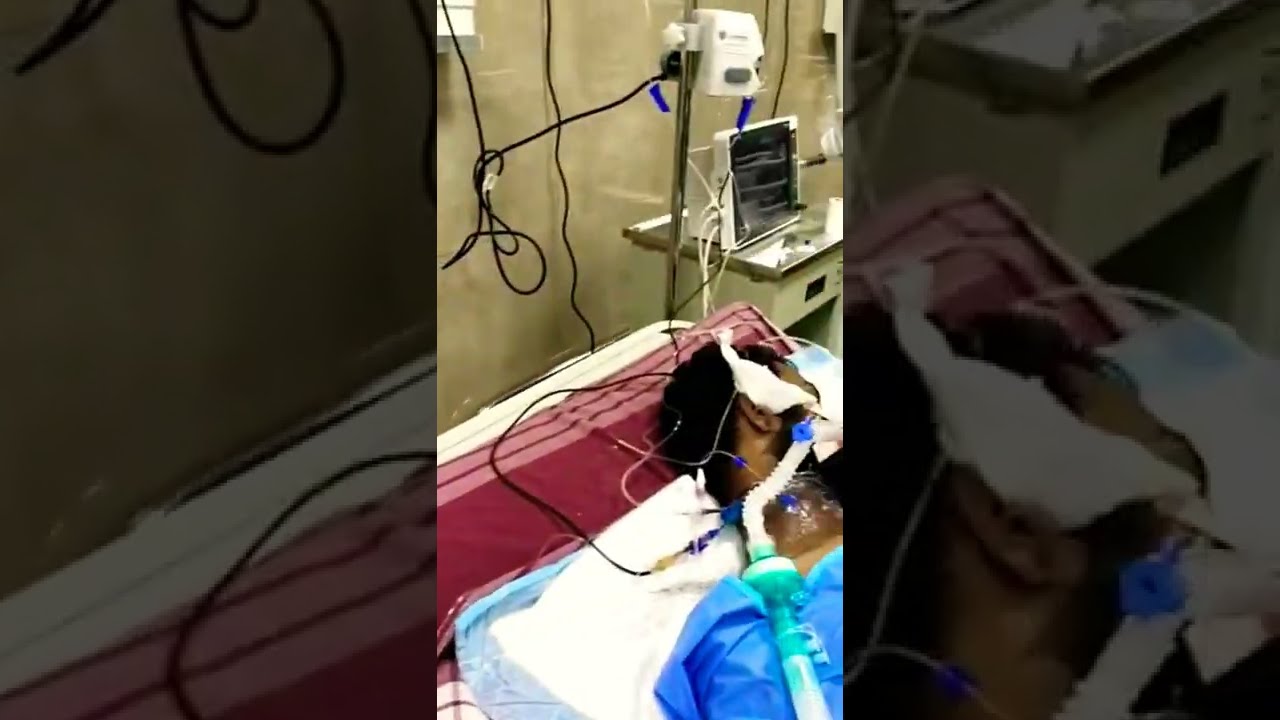
Nurses are no more plain aides to medical professionals; they are currently important participants of the health care team responsible for straight patient care. This change requires that nurses have thorough knowledge regarding different clinical devices, including ventilators.

- What is mechanical ventilation? How does it differ from manual air flow?
- Why is constant monitoring crucial for patients on ventilators? What criteria must nurses track?
Real-world Applications of Air flow Training
In practical setups, nurses commonly discover themselves taking care of intricate instances where timely treatments can mean the difference between life and fatality. For example:
- A registered nurse trained in ventilator pressure support can swiftly readjust setups based upon a client's changing condition. Knowledge gained from a basic ventilator course can aid registered nurses determine early signs of respiratory distress.
Components of Effective Ventilation Training Courses
When taking into consideration investment in ventilation training programs, it's critical to understand what these programs usually cover:
Basic Principles of Ventilation- Introduction to various types of ventilatory support. Basic auto mechanics behind exactly how ventilators work.
- Tracheostomy and ventilator management. Troubleshooting typical issues experienced throughout mechanical ventilation.
- Case research studies showing real-life scenarios where proper training made a considerable impact. Hands-on session with state-of-the-art equipment.
Benefits of Specialized Ventilator Training for Nurses
ventilation trainingInvesting time and resources right into specialized training yields numerous benefits:
Enhanced Client Safety
With advanced knowledge comes increased self-confidence when caring for critically ill individuals on mechanical assistance:
- Understanding possible problems associated with inadequate air passage management. Being able to acknowledge when intervention is necessary.
Improved Work Satisfaction and Profession Advancement
Nurses equipped with specialized abilities frequently enjoy higher task complete satisfaction due to their boosted abilities, causing job innovation possibilities:
- Potential functions consist of Clinical Registered nurse Professional or Respiratory System Registered Nurse Educator.
Types of Ventilation Training Courses Available
When exploring options for ventilation training courses, consider the following categories:
Basic Ventilator Course
Developed for entry-level nurses looking to build fundamental knowledge.
NDIS Ventilation Training Course
Focused on details requirements related to individuals under the National Handicap Insurance Coverage Scheme (NDIS).
Advanced Air passage Administration Courses
Targeted at experienced registered nurses seeking to grow their understanding and abilities connected to complex cases involving airway management.
Frequently Asked Questions about Ventilation Training Courses
1. What is a basic ventilator course?
A standard ventilator training course supplies fundamental knowledge regarding mechanical air flow concepts, helping nurses recognize just how ventilators operate and how to keep track of individuals effectively.
2. How much time do ventilation training programs commonly last?
Most courses vary from someday to a number of weeks relying on their complexity and depth.
3. That ought to take these courses?
While primarily targeted at registered nurses, other health care specialists involved in client care might likewise gain from these programs.
4. Are there on-line choices readily available for air flow training?
Yes! Several establishments use hybrid designs or fully on the internet training courses that permit adaptability while acquiring essential skills.
5. Is accreditation given upon completion?
Most trustworthy programs use accreditation upon effective completion as evidence of competency in handling individuals needing airway support
6. Can ventilation training improve individual outcomes?
Absolutely! Proof suggests that well-trained staff can much better manage complex instances leading eventually towards improved health end results for individuals requiring respiratory support
Conclusion: Buying Your Future as a Nurse
As we browse through a period marked by considerable technological advancements within health care facilities across numerous nations around the world, spending time into gaining knowledge such as those provided via numerous kinds of sophisticated educational programs remains extremely important. The growing value put upon effective air passage monitoring can not be overemphasized; as a result it stands clear why every registered nurse should invest heavily right into going after comprehensive education around topics such as "ventilatory techniques". Not just does this lead Check out the post right here towards enhanced occupation leads yet also equips experts with needed devices needed when supplying high quality care under challenging situations.
Ultimately, by prioritizing specialist advancement via targeted coursework like "ventilator training", you're not simply improving your skill set-- you're contributing positively towards much better overall health care delivery systems profiting many lives along means. So go ahead-- take that leap ahead; enlist today!